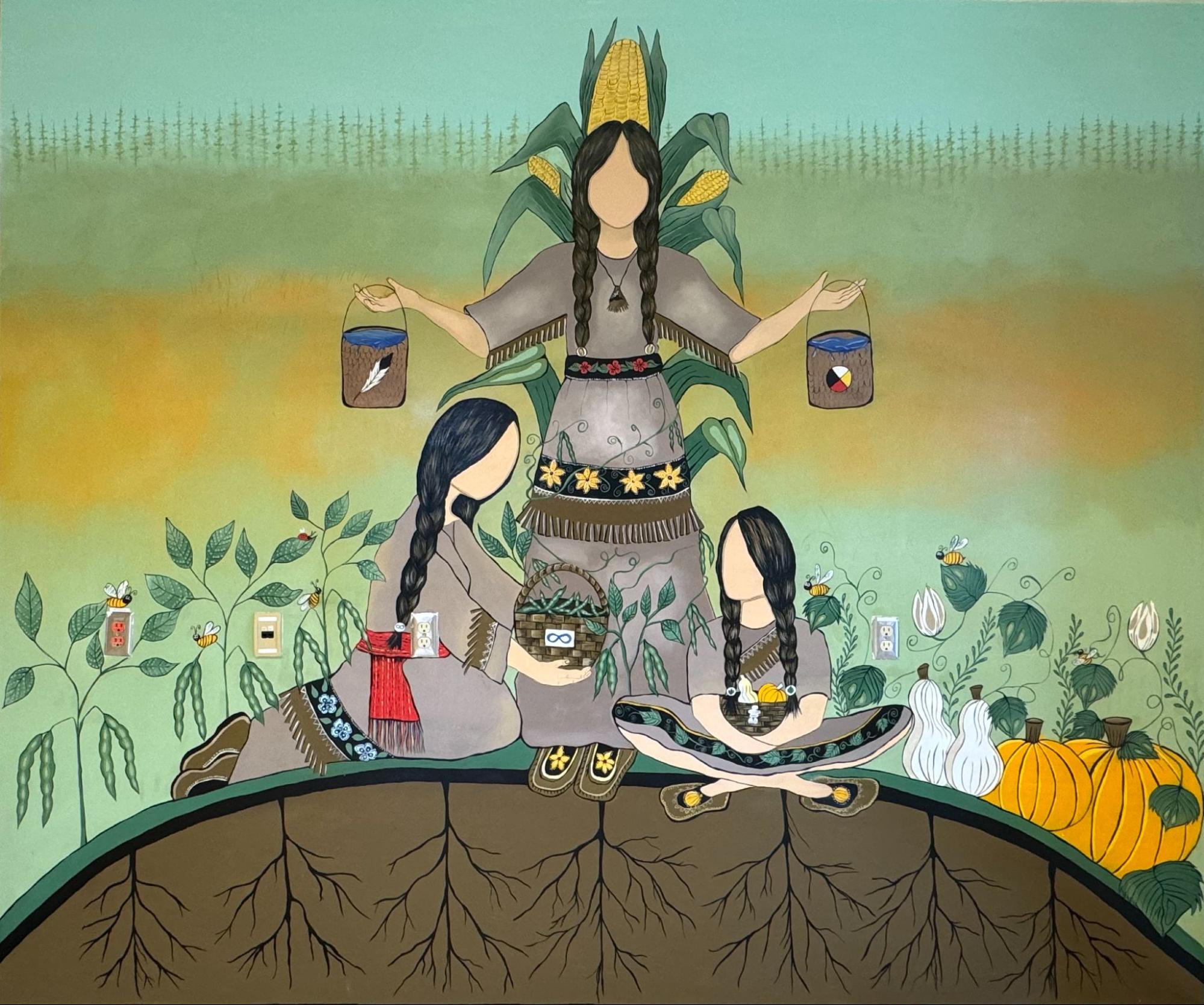
Indigenous Learning for Schools
The Four Pillars of School Programming
1. Land-Based Learning
How It Works
Students are guided outdoors into the school yard, nearby green space, or a designated land area.
They are invited to notice first:
• Sounds
• Smells
• Temperature
• Wind direction
Grounding activities may include placing hands on the ground and acknowledging the land with a simple reflection:
“What is the land offering today?”
Learning activities are simple and relational:
• Identifying plant relatives
• Learning directions
• Observing local ecosystems
• Exploring seasonal teachings such as winter rest or spring renewal
The land is treated as the first textbook. There are no worksheets outside.
Learning ends with group circles and reflection on what was learned by being present.
Why This Matters
Land-based learning:
• Regulates nervous systems through sensory awareness
• Helps Indigenous and non-Indigenous students understand place and responsibility
• Builds respect, belonging, and reciprocity
• Makes curriculum tangible and memorable
• Supports trauma-impacted students through the predictability of nature
Who It’s For
• K–12 students, adapted by age
• Teachers seeking practical land-based strategies
• Schools wanting Indigenous learning rooted in relationship, not tokenism
After sessions, students often feel calmer, more curious, and more connected to the land and to each other.
2. Storytelling
How It Works
Every session begins in circle, where everyone can see everyone.
A storytelling object such as a rattle, stone, feather, or water sets the tone. Story is treated as ceremony and teaching, not entertainment.
Students learn the difference between a story and a lesson.
Stories are connected to:
• Seasons
• Animals
• Relationships
• Emotional teachings
Students are invited to retell stories in their own way through drawing, movement, drama, or words.
Story becomes the entry point to big ideas like empathy, identity, regulation, and relationships.
Why This Matters
Storytelling:
• Bypasses resistance and supports memory
• Builds oral literacy
• Creates emotional anchors for learning
• Restores Indigenous ways of knowing to the classroom
Who It’s For
• Students who struggle with traditional literacy
• Children needing emotional regulation tools
• Teachers seeking respectful cultural competency
After storytelling sessions, students often feel seen, calm, and engaged.
3. Immersed and Integrated Curriculum
How It Works
Programming aligns grade-by-grade with curriculum expectations.
Each grade is supported through a guiding theme:
• Kindergarten: Identity and land
• Grade 1: Animals and relationships
• Grade 2: Water and caretaking
• Grade 3: Community and governance
• Grade 4: History and treaties
• Grade 5: Ecosystems
• Grade 6: Leadership and responsibility
• Grade 7: Identity and worldview
• Grade 8: Preparation for secondary and deeper historical context
Required curriculum is used as the foundation, with Indigenous inquiry embedded throughout.
Teachers receive clear guidance on what to teach, when to teach it, and how to connect learning to real-world experience.
Why This Matters
• Schools struggle with meaningful integration and fear tokenism
• Students benefit from continuity year to year
• Learning becomes experiential instead of textbook-only
• Indigenous students see themselves reflected in school
• School boards receive support in meeting TRC commitments
After longer-term programming, teachers feel equipped rather than unsure, students show higher engagement, and administrators see alignment with equity and wellness goals.
4. Art as Teaching and Processing
How It Works
Learning flows from:
Story → Teaching → Emotional processing → Art expression
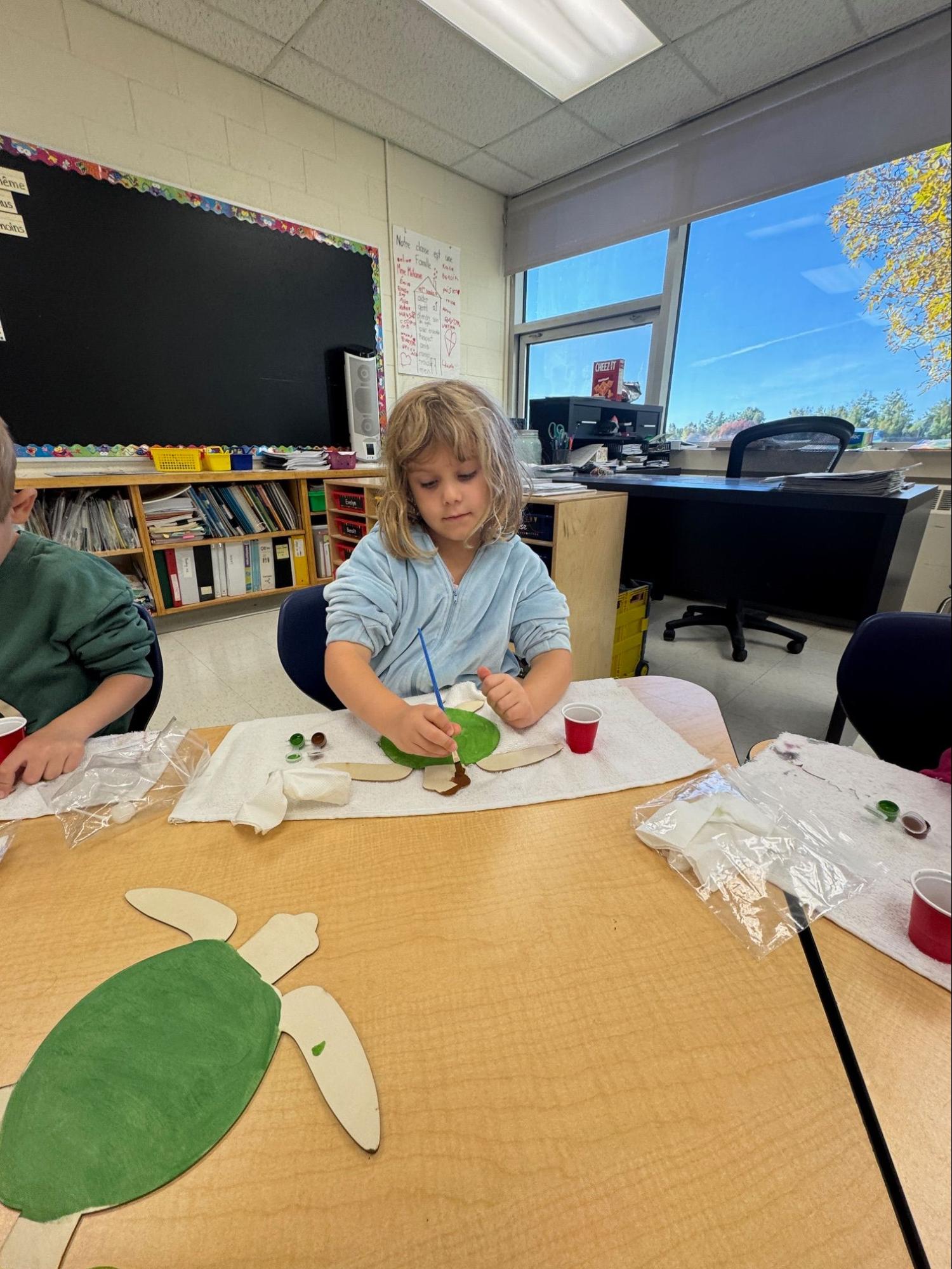
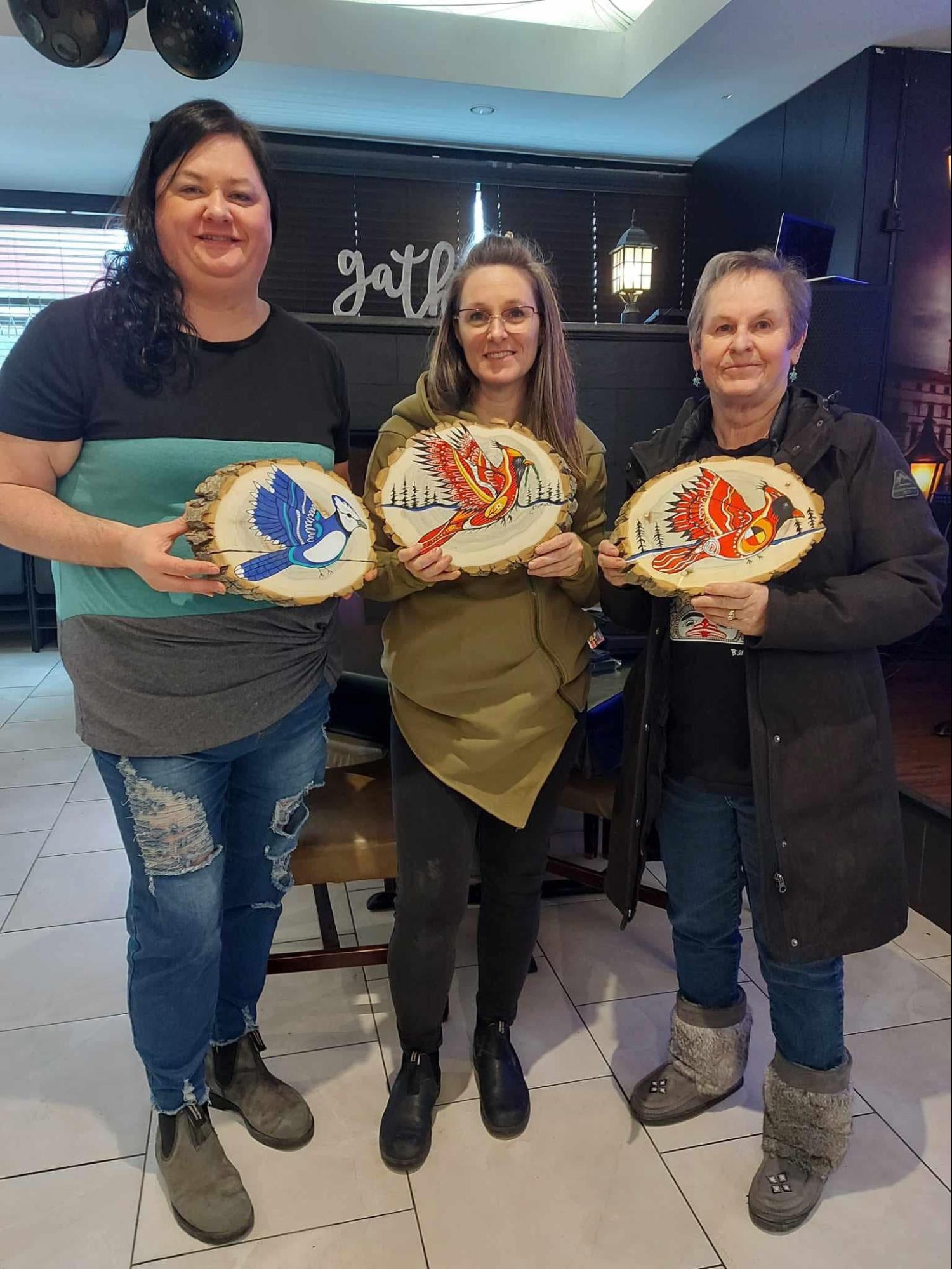
Materials may include charcoal, paint, clay, inks, and natural materials.
Jessica demonstrates the process first, emphasizing that art is not about being “good,” but about meaning-making.
Students are guided using Indigenous visual literacy:
• Shapes
• Symbols
• Patterning
• Colour teachings
Students express:
• What they learned
• What they felt
• What they want to remember
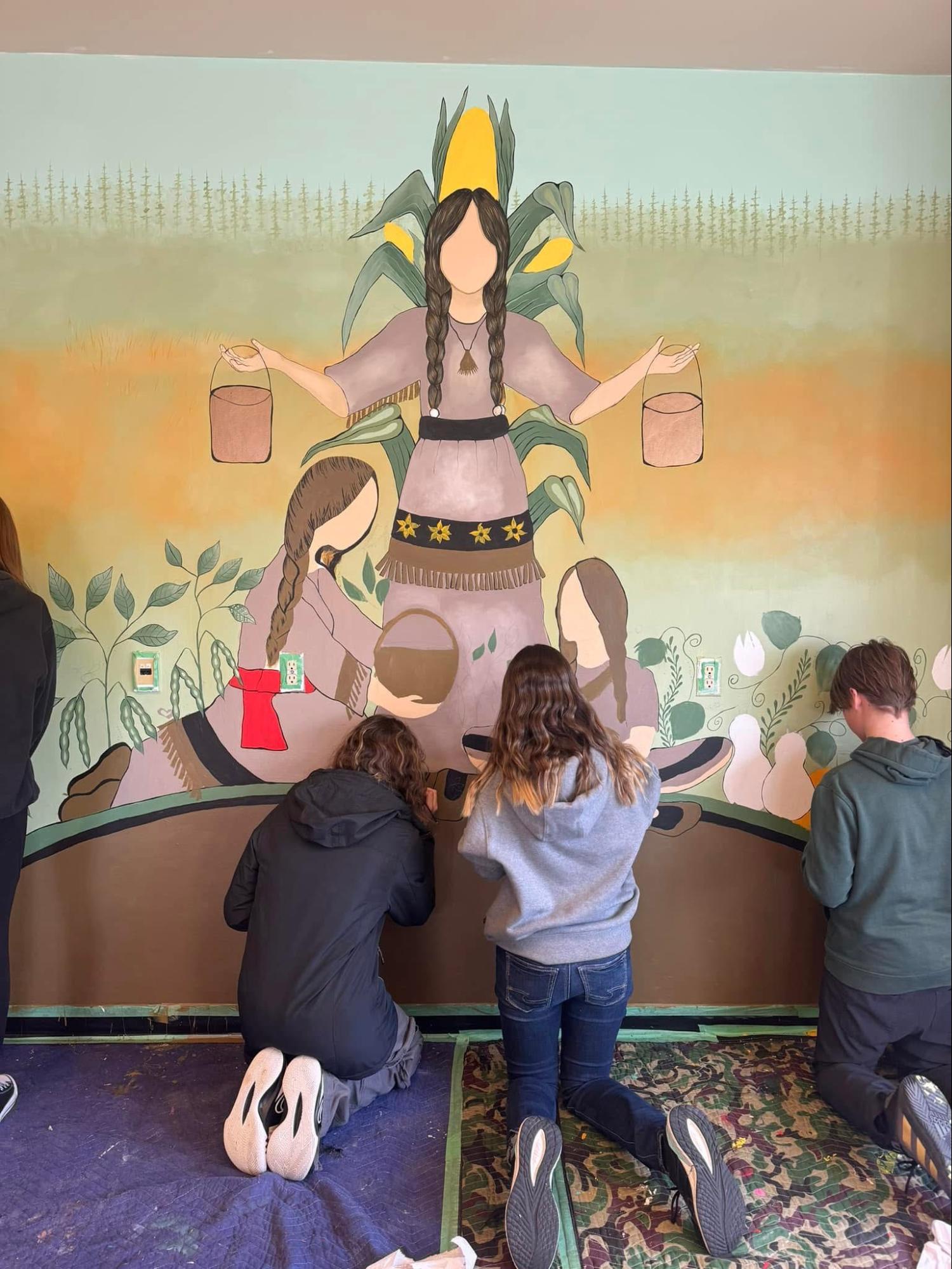
Many sessions end with a collaborative class piece.
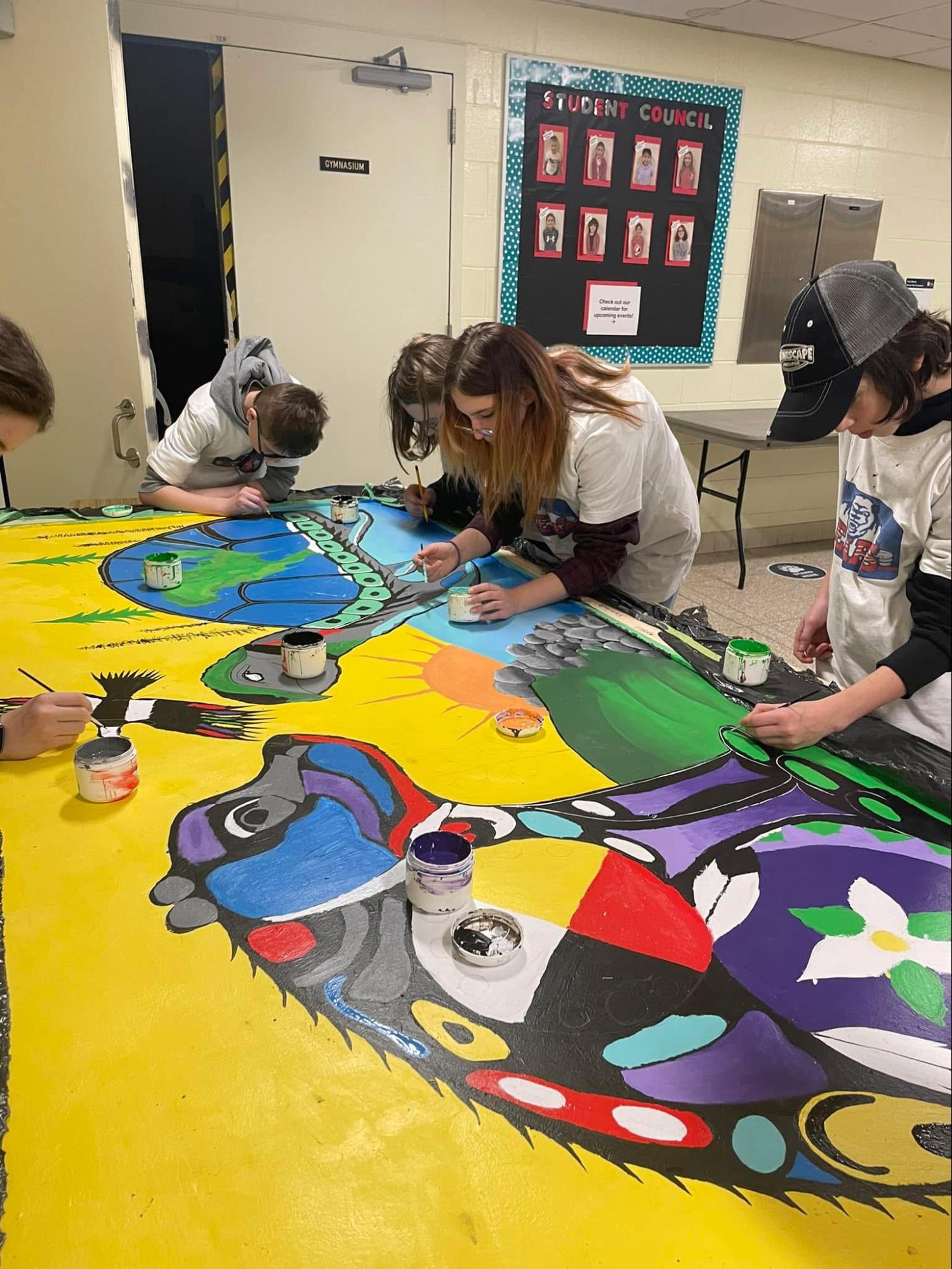
Why This Matters
Art:
• Unlocks expression for students who struggle to speak
• Supports regulation for anxiety and overwhelm
• Builds pride and confidence
• Connects learning to identity
Teachers learn an approach they can continue using without appropriating culture.
After sessions, students feel proud and capable, teachers witness meaningful engagement, and administrators see learning made visible on classroom walls.
What Happens in the Room
School workshops follow a consistent, calm rhythm.
• Circle always comes first
• Smudge is optional and guided by school policies
• Clear expectations are set: “We learn together. We take care of each other.”
• Jessica leads with calm authority, and students mirror it
• Learning is hands-on and participatory
• Land connection happens outdoors when possible, or through sensory grounding indoors
• Story holds the teaching
• Art supports processing
• Reflection is invited but never forced
Teachers often observe and say, “This is what culturally responsive teaching actually looks like.”