
Murals
What the Murals Represent
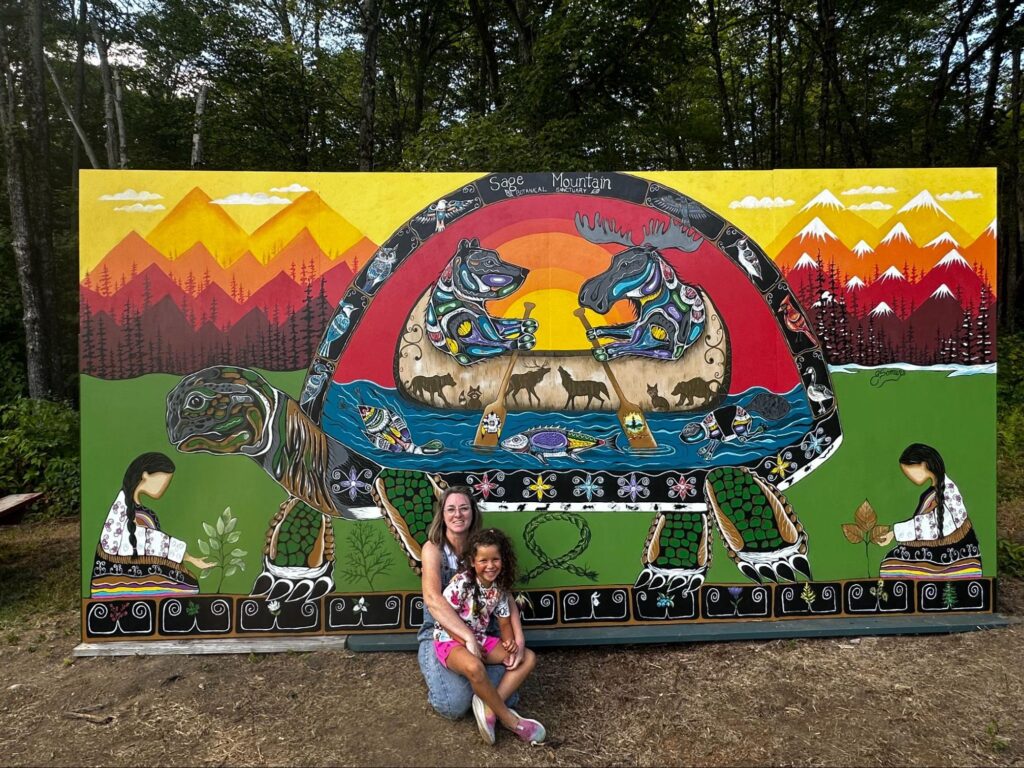
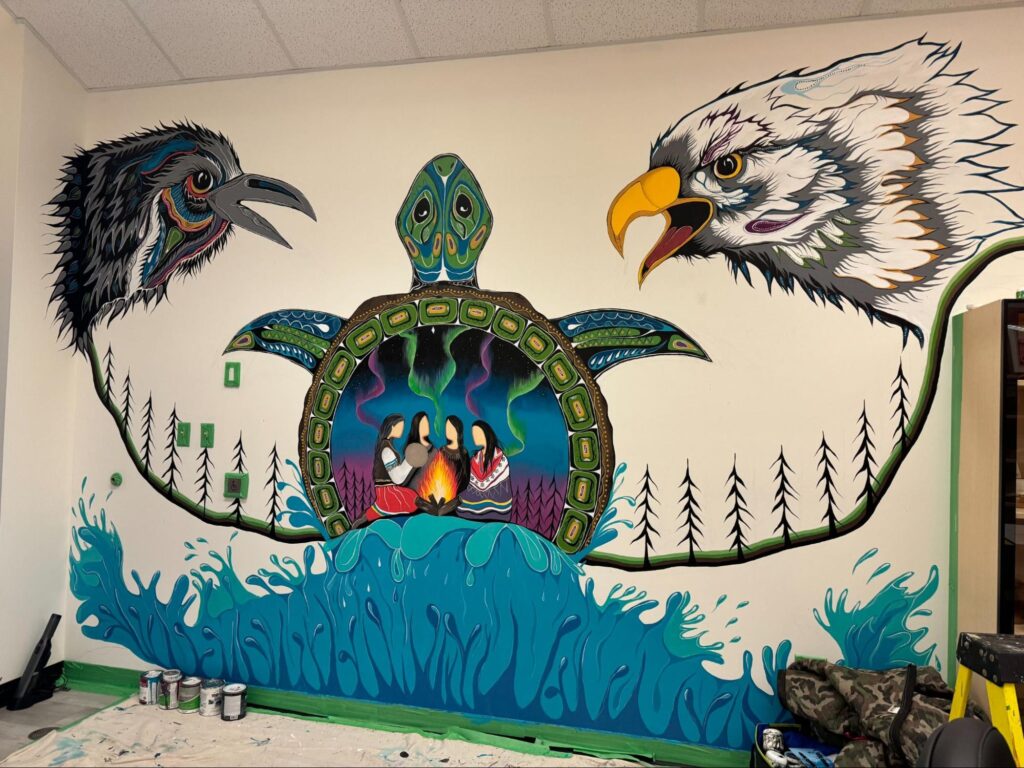
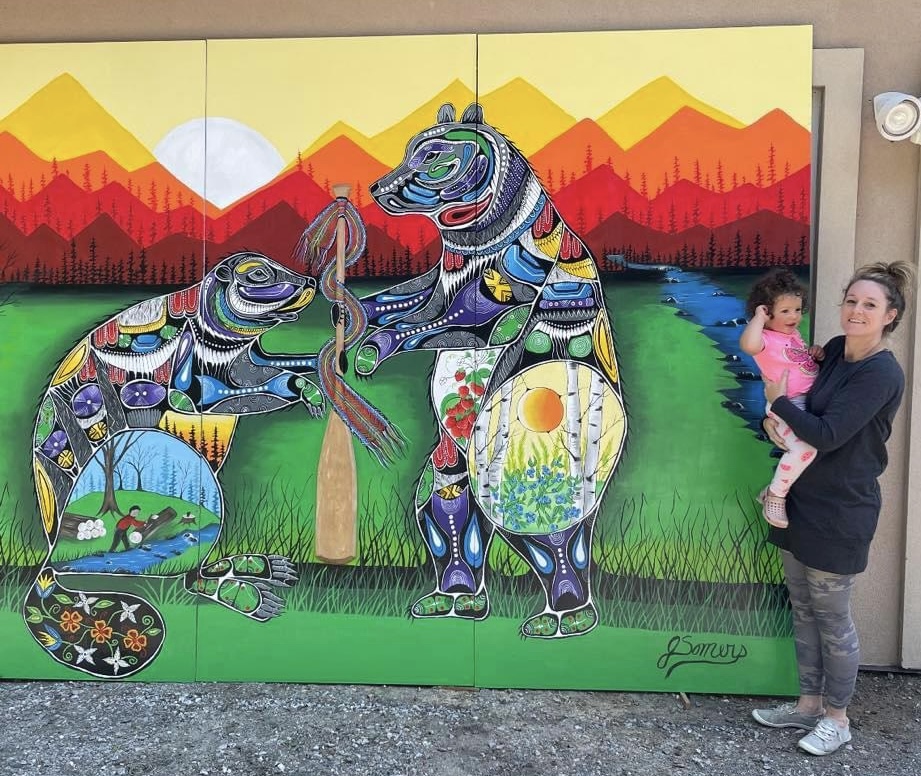
Murals reflect Indigenous culture, teachings, history, and pathways toward reconciliation and healing.
Common themes include:
• Connection to land and environment
• Community, identity, and belonging
• Indigenous history and resilience
• Reconciliation, forgiveness, and shared responsibility
Visual elements often include:
Animals and Spirit Guides
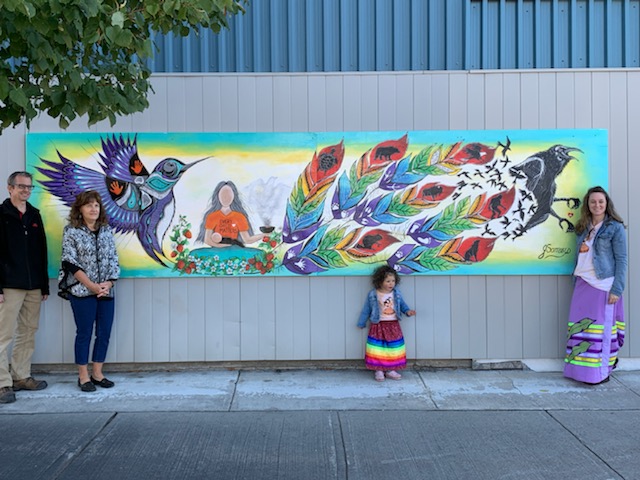
Bear, Cardinal, Hummingbird, Fox, Eagle, and other animal relatives appear as teachers carrying specific lessons and meanings.
Cultural Stories and Teachings
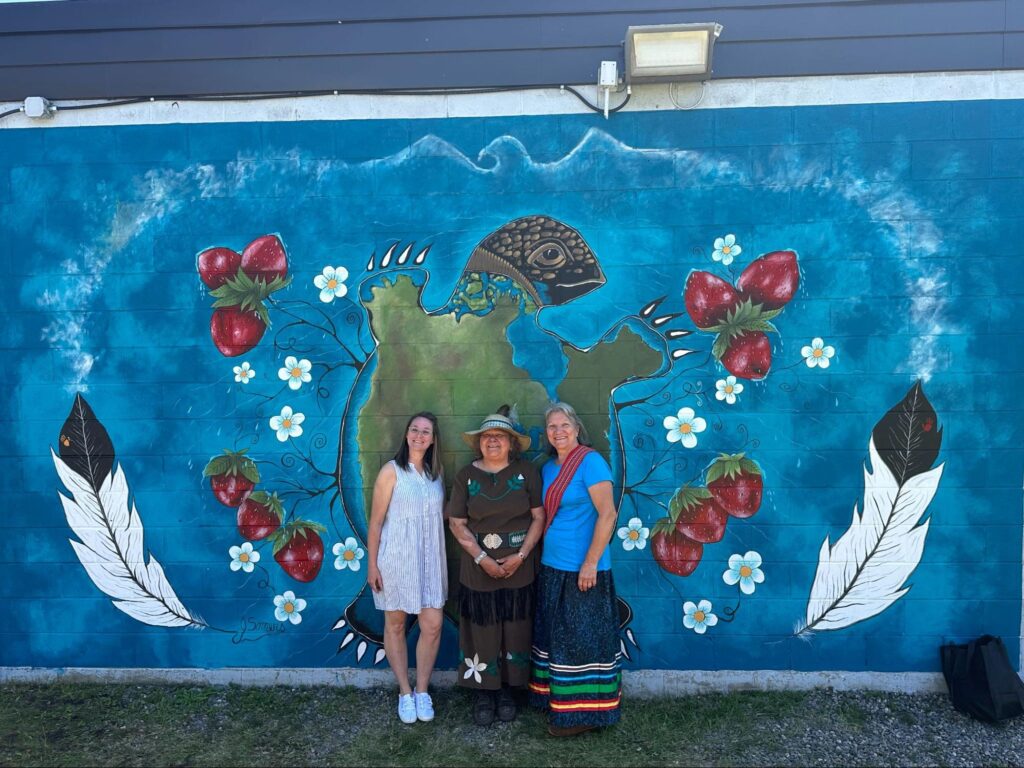
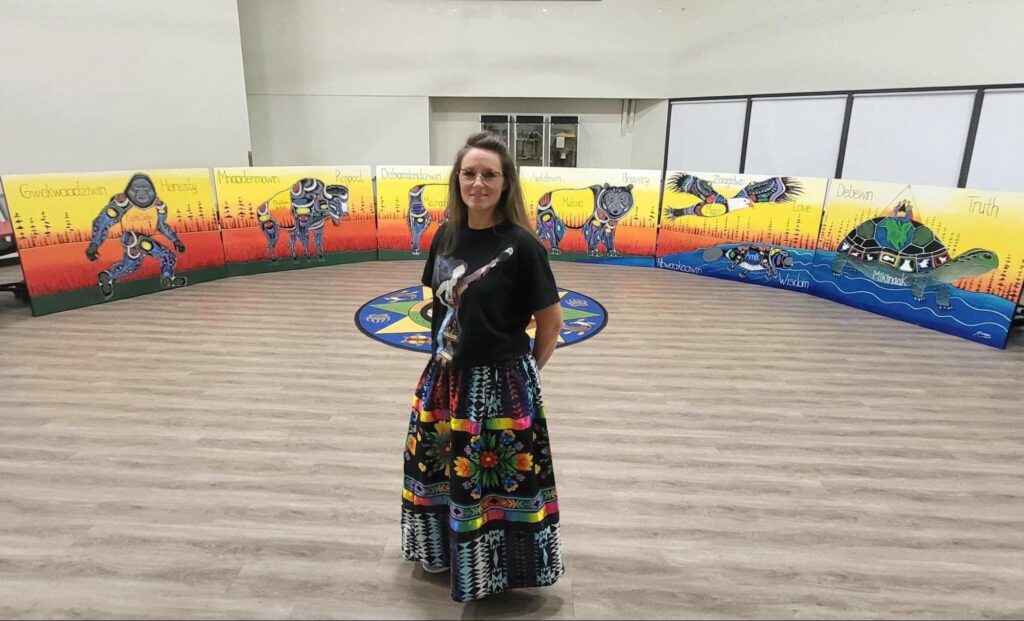
Stories such as the Three Sisters, Turtle Island, the Seven Grandfather Teachings, and Full Moon cycles are woven into imagery with care and cultural responsibility.
Community Healing and Reflection
Murals often hold space for shared experience, honouring both history and hope through visual storytelling.
Who Is Involved in the Mural Process
Each mural project is shaped by the people and place it belongs to.
Participants may include:
• Elders and Knowledge Keepers who offer cultural guidance, stories, and teachings
• Community members, youth, and students who contribute to the painting process
• Local organizations, schools, and volunteers
• Jessica as lead artist, facilitator, and storyteller
Depending on the location and goals, Jessica may also lead workshops during the mural process, integrating storytelling, teachings, and reflection for participants.
Collaboration looks different for every mural, allowing each project to reflect the community it serves.
Materials and Surfaces
Murals are created using durable, professional materials suited to public spaces.
Mediums may include:
• Latex paint
• Acrylic paint
• Mixed media or textural elements when appropriate
Surfaces may include:
• Building walls
• Boards
• Sea-cans
• Tipis
Jessica also paints on tipis, integrating cultural symbolism and ceremony in ways guided by context and community.
When Murals Take Place
Mural projects are ongoing and scheduled based on availability, location, and community needs.
Some murals align with:
• Community events or festivals
• School programming
• Indigenous awareness months
• Cultural or educational initiatives
Project timelines vary from several days to several weeks, depending on scale and collaboration.
Where Murals Live
Murals are created in spaces where they can be seen, shared, and lived with.
Locations may include:
• School walls
• Community centres
• Cultural hubs
• Outdoor public walls
• Sea-cans and temporary structures
These spaces invite interaction, conversation, and ongoing learning.
How the Mural Process Works
Planning and Design
Each mural begins with listening and research.
This stage may include:
• Consultation with Elders and Knowledge Keepers
• Community input and discussion
• Preliminary sketches and layout planning
• Integration of story, symbolism, and teaching
Designs are adjusted to fit the space, audience, and narrative goals of the project.
Execution and Collaboration
Jessica leads the painting process while inviting participation from community members, students, or Elders when appropriate.
Some murals include guided painting sessions, while others involve workshops that run alongside the mural creation, allowing participants to engage through story and art.
Techniques vary and may include layering, bold colour work, and symbolic detail drawn from animals, plants, and natural elements.
Storytelling and Ceremony
Each mural begins with the introduction of the story or teaching it carries.
Throughout the process, space is held for:
• Reflection and conversation
• Cultural teachings
• Shared learning
The mural becomes a collective experience, not just a finished image.
Aftercare and Legacy
Once complete, murals are documented through photography and shared through publications or community storytelling.
Teachings from the mural are often carried forward into workshops, curriculum connections, or ongoing cultural programming.
Impact of Mural Work
Murals create lasting impact within communities.
They:
• Offer visual storytelling that supports education and cultural understanding
• Inspire reflection and dialogue about land, history, and reconciliation
• Serve as enduring symbols of resilience, shared knowledge, and Indigenous presence
Murals remain long after the paint dries, continuing to teach and connect.
Mural Project Investment
Mural projects begin at $7,500 and up for an 8×8 mural, with pricing adjusted based on size, location, surface, and level of collaboration.
Travel, materials, and accommodations are discussed during the planning process.